Garage Gym Basics: Flooring, Rust, Heat and Cold
How to set up a garage gym that works year-round, covering flooring on concrete, sharing space with a car, overhead door clearance, rust and humidity, heat, cold and safe heating.
Disclosure: Product links on this site aren't affiliate links: we don't earn anything from them today. If that changes, we may earn a commission at no extra cost to you, and this note will say so. Parts of this article were drafted with AI assistance and edited before publishing. Read our disclaimer.
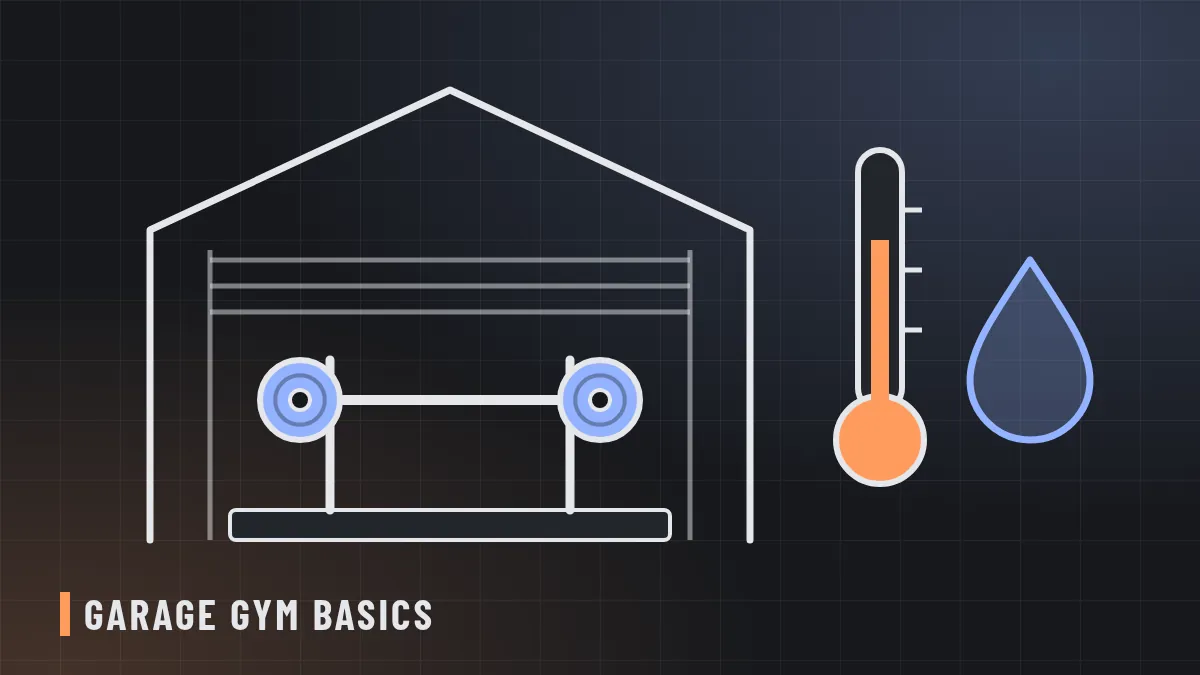
A garage is often the best room for a barbell gym: a concrete floor, fewer neighbors to worry about and room to move. The trade-offs are humidity, heat and cold. Put down 3/4 in rubber, keep the air dry enough that your bar doesn't rust, and plan around the hottest and coldest months.
This guide is research-based and general, drawing on manufacturer manuals and public safety guidance. Garages vary by climate, construction and local rules, so follow your equipment's manual and local codes. Prices are rough ranges for the U.S.; check the current price.
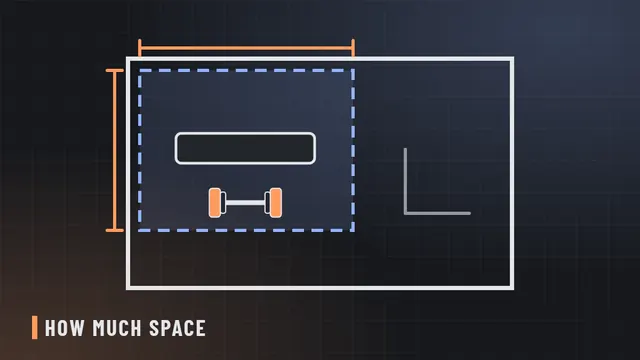
Space: sharing a garage with a car
- Measure with the car parked if it has to stay. A single bay is often enough for a barbell setup facing the door, with the bar running across the bay's width.
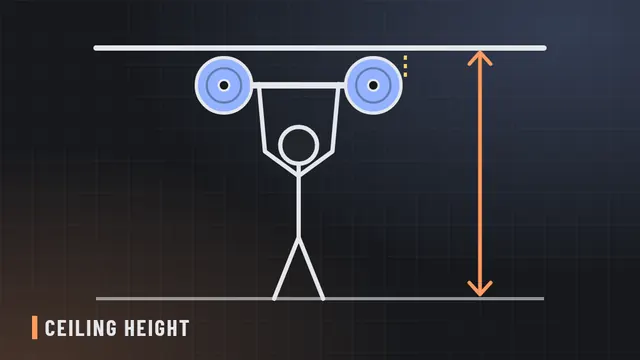
- Check overhead with the door open. The door, its tracks and the opener rail usually hang well below the ceiling. Your rack height, pull-ups and overhead presses must clear them. See our ceiling height guide.
- Think about folding or rolling gear. A folding wall-mounted rack, a bench on wheels and wall storage for plates can give the floor back to the car. Folding racks need to be bolted into studs; see power rack vs squat stands.
- Leave a clear path to doors and the car, and keep plates and bars away from where a car could bump them.
Enter your bay's width, length and lowest overhead point in the Home Gym Planner to see which setups fit.
Flooring on concrete
Concrete is strong, but it's hard on plates and bars, cold underfoot, and slippery when dusty or damp.
- 3/4 in rubber stall mats (commonly 4 × 6 ft) are the classic garage choice, at very roughly $2–$4 per square foot for rubber flooring. They're heavy but stay put.
- Interlocking rubber tiles are easier to carry and cut around obstacles.
- A lifting platform (commonly 8 × 8 ft of layered plywood and rubber) protects the slab if you deadlift heavy or drop bumper plates.
Moisture under mats. Concrete can wick moisture up from the ground, and a mat on a damp slab can trap it. Lift a corner every so often to check. If it's damp underneath, let it dry, improve ventilation, and consider sealing the concrete. Our flooring and noise guide compares flooring types in more detail.
Rust and humidity
Steel rusts faster in humid air, especially when warm days are followed by cool nights and moisture condenses on cold metal.
- Choose finishes that resist rust for gear that lives in the garage. Bars and racks come in finishes like stainless steel, chrome, zinc, cerakote and powder coat, each with its own maker-listed care. Bare steel bars feel great but need the most care.
- Wipe the bar after use to remove chalk and sweat, and brush the knurling with a stiff nylon brush from time to time. Many makers suggest a light coat of oil for bare steel; follow your bar's care instructions.
- Store bars horizontally or in a bar holder off the floor.
- Control humidity. A dehumidifier and good ventilation help in damp climates. A simple hygrometer tells you whether it's working.
- Look after plates and hardware. Wipe down iron plates, pins and J-hooks, and treat surface rust early with a brush before it spreads.
Heat
Uninsulated garages can get very hot in summer, which raises the risk of heat illness when you exercise.
- Train in the cooler part of the day, usually early morning.
- Ventilate. Open the door and use a fan to move air.
- Drink water before, during and after training, and lower the intensity on very hot days.
- Know the warning signs of heat illness, such as dizziness, nausea, headache, heavy sweating or confusion. Stop, cool down and get help if they appear. See our disclaimer.
- Protect gear. Heat and direct sunlight age rubber bands and pads faster, so store them out of the sun.
Cold
- Warm up longer in a cold garage, and dress in layers you can shed.
- Cold bars are hard on hands. Chalk and a dry towel help; some people keep the bar in the house overnight in winter.
- Insulate if you can. Insulating the garage door and walls makes the biggest difference, followed by weather-stripping around the door.
Heating safely
- Never run a car, generator or unvented fuel-burning heater in a closed garage. They produce carbon monoxide, which you can't see or smell. Install a carbon monoxide alarm.
- Use electric space heaters with care. Keep them well away from anything that can burn (fire safety agencies commonly advise at least 3 ft), plug them straight into a wall outlet rather than an extension cord unless the manufacturer says otherwise, and never leave them running unattended.
- Check your circuit. Garage circuits are often shared; a heater, a dehumidifier and a fan together can overload one. Ask an electrician if in doubt.
A simple garage gym starter list
- Rubber flooring for the training area.
- A rack or squat stands with safeties that clear the door rail.
- An Olympic bar with a rust-resistant finish (see Olympic vs standard).
- Plates (rubber-coated iron is a good garage default; see bumper vs iron plates).
- Collars and a bench.
- A dehumidifier or fan, depending on your climate.
When you're loading the bar, the plate calculator does the math. Before your first session, run through the home gym safety checklist.
What is the best flooring for a garage gym?
3/4 in rubber stall mats or thick interlocking rubber tiles are the usual choices. They protect the concrete and your gear, add grip and make the floor less cold. A lifting platform helps if you deadlift heavy or drop bumper plates.
How do I stop my garage gym equipment from rusting?
Choose rust-resistant finishes, wipe bars and hardware after use, brush the knurling occasionally, follow the maker's care instructions and keep humidity down with ventilation or a dehumidifier.
Is it safe to heat a garage gym?
It can be, with the right heater. Never run a car, generator or unvented fuel-burning heater in a closed garage because of carbon monoxide; fit a CO alarm. Keep electric heaters well away from anything that can burn and never leave them unattended.