Home Gym Safety Checklist: Racks, Safeties, Collars, Kids and Pets
A practical home gym safety checklist covering setup, rack safeties, collars, lifting alone, storage, bands and anchors, and keeping children and pets safe around equipment.
Disclosure: Product links on this site aren't affiliate links: we don't earn anything from them today. If that changes, we may earn a commission at no extra cost to you, and this note will say so. Parts of this article were drafted with AI assistance and edited before publishing. Read our disclaimer.
Most home gym accidents come down to a few things: no safeties when lifting alone, plates that slide or tip, gear that wasn't assembled or anchored properly, and children or pets near equipment. A five-minute check before each session and a tidy storage habit cover most of it.
This checklist is research-based and general, drawing on manufacturer manuals and public safety guidance. It isn't a substitute for your equipment's manual or for coaching. Always follow the manufacturer's assembly, anchoring and weight-rating instructions. See our disclaimer.
1. Setup: before the first workout
- Assemble everything exactly as the manual says, with every bolt in place and tightened. Re-check bolts after the first few sessions, since they can settle.
- Check weight ratings for the rack, J-hooks, safeties, bench and pull-up bar. Make sure they cover your body weight plus anything you'll hold, with margin.
- Anchor what the manual says to anchor. Some racks must be bolted down or weighed down; folding racks must go into wall studs. Plate trees and tall storage can tip. Renters should ask the landlord before drilling.
- Check the floor. Use firm rubber flooring under weights, level enough that racks and benches don't rock. For heavy setups on upper floors, see the floor-load notes in our flooring and noise guide.
- Clear the space around you. You need room past each end of a barbell and room to step back from a rack. Our space guide and the Home Gym Planner show what fits.
- Check overhead. Light fixtures, fans, beams and garage door rails are easy to hit when pressing or jumping. See the ceiling height guide.
2. Racks, safeties and lifting alone
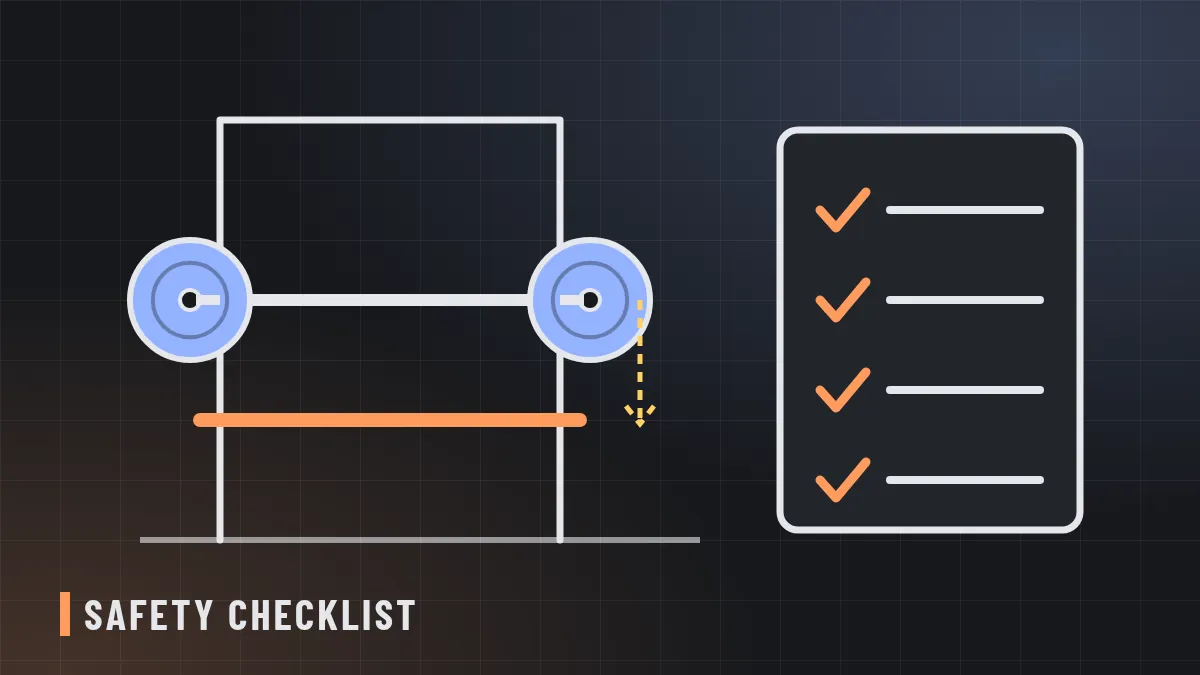
- Use safeties every time you squat or bench alone. Set pins, pipes, straps or spotter arms just below the bottom of the lift, so you can lower the bar onto them if you fail a rep.
- Test the height with an empty bar. Do a rep or two to check the safeties catch below your lowest point without getting in the way.
- Set J-hooks at the right height. For squats, around mid-chest so you don't have to tiptoe the bar out. For bench presses, so you can unrack with arms nearly straight.
- Match both sides. Same hole number for both J-hooks and both safeties, especially on separate squat stands.
- Keep a phone within reach when training alone, and consider telling someone you're lifting.
- Leave a rep in the tank on heavy sets when no one's spotting you.
3. Bars, plates and collars
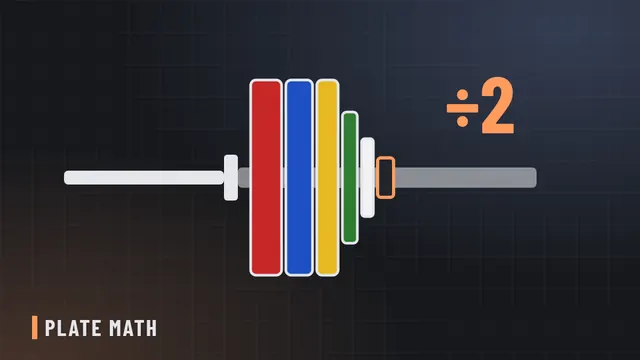
- Load and unload alternately. When the bar sits in J-hooks, piling plates on one side can tip it. Add or remove one plate per side at a time. Our plate math guide covers loading order.
- Use collars so plates don't creep along the sleeve during a set.
- Double-check the load. Mixing 45 lb and 20 kg plates by accident leaves the bar uneven. The plate calculator shows exactly what goes on each side.
- Use the right plates for your bar. Olympic 2 in plates are loose on a 1 in standard bar; see Olympic vs standard.
- Set weights down; don't drop them unless you're using bumper plates on a suitable platform. See bumper vs iron plates.
- Check adjustable dumbbells before every set: dials or pins fully engaged, spin-lock collars tight.
4. Storage and tidiness
- Put plates back after every session, on a plate tree or rack, not leaning against a wall where they can fall onto feet or small hands.
- Store heavier items low. Heavy plates and dumbbells at the bottom of racks and trees.
- Keep the floor clear of loose plates, collars and bands that you could trip over mid-set.
- Unload the bar after training, and store it in a rack or bar holder.
5. Bands, anchors and pull-up bars
- Inspect bands before use for nicks, thinning or tears, and replace damaged bands. A band that snaps can hit your face or eyes.
- Anchor bands to something solid, away from sharp edges. With a door anchor, put it on the hinge side of the door, and make sure the door opens away from you so it pulls shut as you pull. Lock it if you can. More in bands vs free weights.
- Check doorway pull-up bars are seated correctly before each use, and that the door frame and trim are suitable.
6. Children and pets
- Keep children out of the gym area during workouts, and supervise them around any equipment at any time.
- Don't leave weights where children can reach or pull them over, and don't let children play on racks, benches or plate trees.
- Make treadmills and other motorized equipment safe when not in use. If you have one, remove the safety key and store it out of reach, and unplug the machine. The U.S. Consumer Product Safety Commission has warned about children being injured on treadmills.
- Store bands and jump ropes out of reach. Cords and elastic can be a strangulation hazard for young children.
- Keep pets out while you train. A dog or cat underfoot during a squat or a lunge is a real trip risk.
7. Garages and basements
- Check for rust on bars, J-hooks and pins, and keep moving parts clean. Our garage gym guide covers humidity.
- Never use fuel-burning heaters or run a car engine in a closed space. Carbon monoxide is a serious risk, and a CO alarm is worth having.
- Keep space heaters away from anything that can burn and follow the maker's instructions; never leave them running unattended.
- Watch the heat. Hot garages raise the risk of heat illness, so train in the cooler part of the day and drink water.
8. You
- Warm up with lighter sets of the exercises you're about to do.
- Learn the movement before adding weight. Video your sets to check form, or get a session with a qualified coach.
- Stop if something hurts, and get it checked.
- Check with a doctor before starting a new program, especially if you have a health condition or haven't exercised in a while.
Is it safe to lift weights alone at home?
It can be, with the right setup. Use a rack or squat stands with safeties set just below the bottom of each lift, use collars, keep a phone nearby and stop heavy sets a rep or so short of failure.
Where should safety bars be set in a rack?
Just below the lowest point of the lift, so they don't touch the bar on a normal rep but catch it if you need to lower it. Test the height with an empty bar first.
How do I make a home gym safe for kids?
Keep children out during workouts and supervise them around equipment, put plates and dumbbells away after every session, store heavy items low, keep bands and cords out of reach, and remove the safety key from any treadmill.